
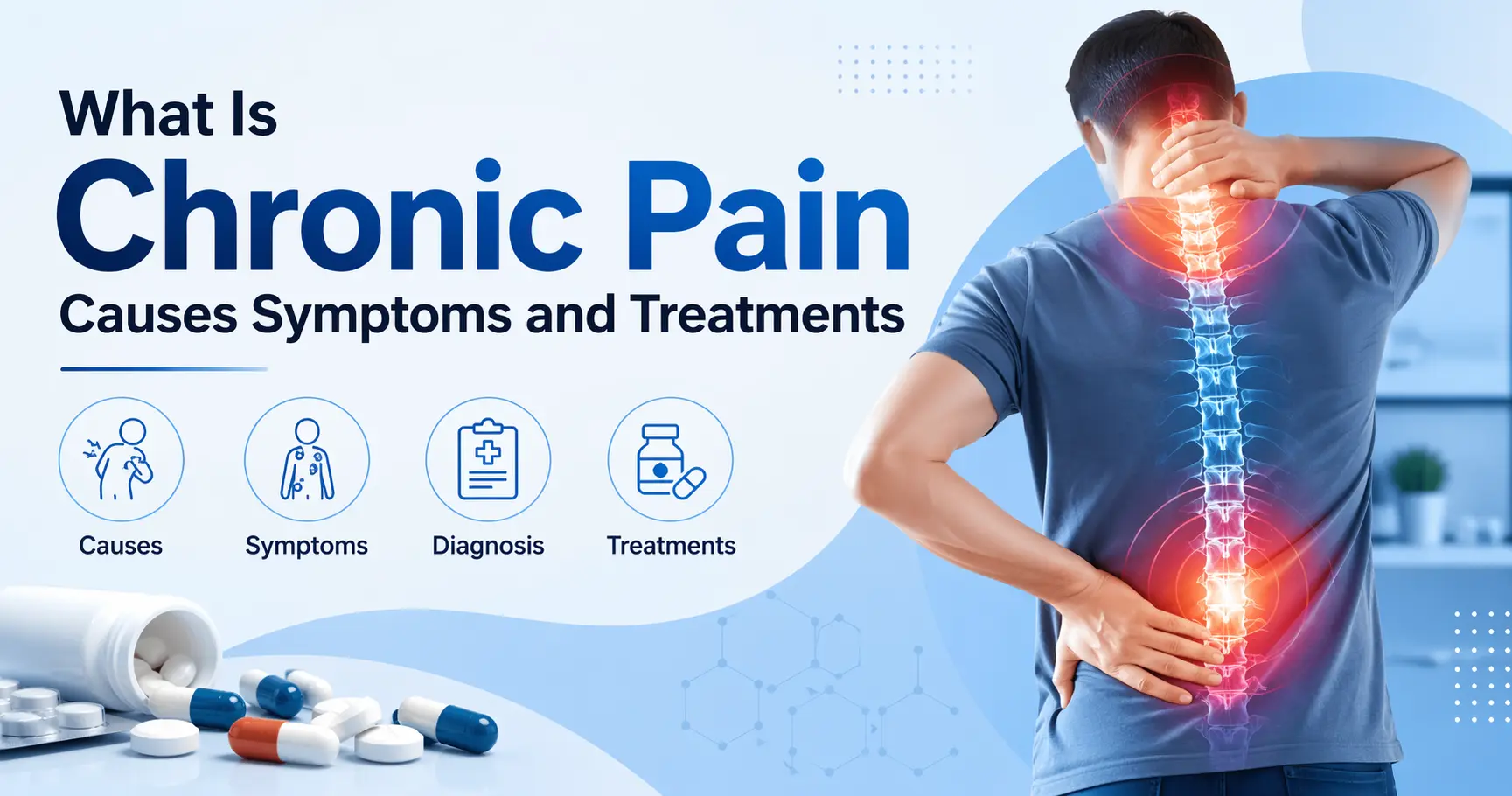

Chronic Pain is not a simple pain that lingers on but a complicated health condition that may be experienced in all the aspects of a human life. This kind of pain lasts weeks, months or even years as opposed to short-term pain, and in many cases, the pain extends long after the source of the injury or illness is cured. To manage lifelong pain condition effectively and have a better quality of life, it is important to understand what is chronic pain, its causes, symptoms, and treatment options.
In this all-inclusive guide, we are going to see all that you need to know about lifelong pain condition including the causes of the chronic pain as well as the best available treatments of chronic pain.
It is More Than Discomfort
Lifelong pain condition is generally considered to be any type of pain that persists more than three months. Although acute pain is a good sign of injury, chronic pain has no definite reason, and it just continues. Consequently, it is able to develop into a condition on its own instead of merely a symptom.
Additionally, lifelong pain conditionn may occur in various body systems such as muscles, joints and nerves. It can be either continuous or periodic, mild or intense. Due to its complexity, to comprehend what is chronic pain, it is necessary to go beyond physical symptoms and also consider emotional and psychological effects.
Types That You should know
Chronic pain can be of various types, and each type has its peculiarities. The type of chronic pain is identified to aid in choosing appropriate treatment.
A typical type is nociceptive pain, which occurs due to tissue damage (arthritis or injury). The other one is neuropathic pain that is a result of damaged or dysfunctioning nerves. There is also the centralized pain, which is the amplification of pain signals without any apparent physical harm by the brain and the spinal cord.
Moreover, migraines, fibromyalgia and lower back pain are some long term pain conditions. Both types have to be approached uniquely to pain management in order to be relieved.
Causes: What Is the Reason?
The causes of chronic pain are important factors in managing pain. Chronic pain occurs in most instances following an injury, surgery or infection. But there are times when it happens without any apparent cause.
Arthritis, nerve damage, spinal and autoimmune diseases are common causes of long term pain. Also, other lifestyle habits like bad posture, stress, and physical inactivity may also play a significant role.
Interestingly, such emotional factors as anxiety and depression also may aggravate or even cause pain. Thus, in treating this condition, it is important to address both the physical and mental aspects of it.
Identifying the symptoms of Chronic Pain Early
The symptoms extend beyond the physical pain. Although the aching, burning, or shooting pain is persistent, other symptoms can also be observed.
As an example, people can be fatigued, have sleeping problems, and lack mobility. Persistent pain could cause mood changes with time, such as irritability and depression.
In addition, pain usually disrupts general life routines and even simple tasks seem daunting. These symptoms can be detected early, diagnosed and treated.
Chronic Pain Diagnosis
Pain may be difficult to diagnose since it is not always apparent in general medical tests. Nonetheless, clinicians combine the approach to identifying the cause and the severity.
The process is usually initiated by a medical history and physical examination. Physicians can also administer imaging tests such as X-rays, MRIs, or CT scans to determine the underlying problems.
Moreover, there are pain scales and questionnaires that can be used to evaluate the severity and effects of pain. The correct diagnosis of pain is the key to creating a successful treatment program that will meet the needs of a patient.
Treatment: The most effective ones?
Treatment of pain does not have a one-size-fits-all solution. Rather, it is usually best to use a combination of therapies.
Anti-inflammatory medication, muscle relaxants and some antidepressants are popular drugs. In other instances, more powerful painkillers could be allowed with close medical care.
In addition to drugs, physical therapy, acupuncture, and chiropractic treatments are some of the trending pain treatment approaches. These modalities are aimed at enhancing the mobility and alleviating pain without any complex medical procedures.
Pain Management: Integrated Approach.
Pain management is not about symptom treatment, but about enhancing well-being. The best outcomes are frequently achieved by a multidisciplinary approach.
To take an example, lifestyle modifications like exercising, proper dieting and stress management methods can greatly alleviate the level of pain. Also, cognitive behavioral therapy (CBT) assists patients to manage the emotional effects of pain.
Moreover, counseling and support groups are sources of emotional relief and encouragement. A combination of these strategies would result in long-term improvement and the increase of the quality of life.
Pain Relief options you can consider today.
The number of pain relievers is quite high and can be integrated into everyday routine. Pain relief and flexibility can be achieved through simple exercises such as stretching, yoga and meditation.
Localized pain can also be treated through heat and cold therapy. Although heat helps in relaxing muscle, cold therapy decreases swelling and inflammation.
There are also alternative treatments (massage therapy and herbal remedies) which are becoming more popular. Nevertheless, one should always consult a medical professional prior to experimenting with new medications.
Effective Management
When it comes to the question of how to treat long-term pain, the answer is in a personalized and consistent approach. Individual condition, lifestyle and preferences should be used to determine the treatment plans.
Integration of medical practices and self-care practices usually offers the most effective results. An example is having a regular sleep pattern and exercising, which can complement other treatment options.
Further, the monitoring of symptoms and triggers can be used to determine patterns and modify treatment. Long-term pain can be managed successfully with time, with the right strategy.
Top Pain Relief Interventions: Expert Advice.
A combination of medical and non-medical options can usually be the best treatments of long-term pain. Physicians suggest a moderated action plan that incorporates drugs, counseling, and lifestyle changes.
Severe cases may be considered by interventional procedures including nerve block or injections. In the meantime, new therapies such as regenerative medicine and neuromodulation are proving to be effective.
Finally, the end point is not pain reduction but rather better functioning and quality of life. Thus, continuous monitoring and modification of treatment plans are necessary.
Living with Chronic Pain: Daily Life Tips
Long-term pain can be very difficult to live with and appropriate strategies will help a great deal. Begin with achievable goals and timing your activities to prevent overworking.
Also, having a positive attitude and finding any support help by friends and relatives can enhance emotional state. Relaxation techniques also help deal with stress and pain levels.
Notably, knowing your condition will enable you to make healthier choices. It can be possible to live a full life in spite of long-term pain with some effort.
Frequently Asked Questions (FAQs)
1. What is chronic pain?
It refers to pain that has continued to be felt after three months and which might continue even when the cause has already healed. It may have an impact on both physical and emotional health.
2. What are the usual causes?
The most widespread causes are arthritis, nerve damage, injuries, and autoimmune diseases. It may also be caused by emotional stress.
3. What are the symptoms?
Persistent pain may present as constant pain, loss of energy, sleeplessness, and loss of movement. Anxiety can also be experienced as emotional symptoms.
4. What to do with chronic pain?
Treatment may involve combination of medication, therapy, lifestyle changes and alternative treatment.
5. What are the most effective ways to treat?
It can be best managed with physical therapy, medications, cognitive therapy, and holistic medicine such as yoga and meditation.