
Introduction to Sleep Medications
This book is designed to help you understand how sleep medications work in today’s world. It explains the role of sleep medications in modern life and how they may help people dealing with sleep-related problems.
Nowadays, sleeping problems are becoming more common due to fast-paced lifestyles. Health issues, excessive screen time, stress, and irregular schedules can easily disturb healthy sleep patterns. As a result, many people turn to Sleep Medications to achieve better sleep and improve their quality of life. Among the many treatment options available, Ambien is one of the most widely discussed medications.
While discussing sleep medications, it is important to understand that not every treatment works the same for everyone. The effectiveness of a medication depends on other factors like lifestyle habits, severity of insomnia and health conditions overall. Ambien vs other sleep medication comparison can help people make better and safer decisions when it comes to their sleep health.
What Is Ambien?
Ambien is a prescription medication that is most commonly prescribed for short-term treatment of insomnia. It belongs to a class of drugs known as sedative-hypnotics, which work by slowing brain activity to help users feel drowsy and fall asleep more quickly.
Key Features of Ambien
- Helps people fall asleep faster
- Commonly prescribed for severe sleep disruption
- Intended mainly for short-term use
- Works quickly compared to many other sleep medications
Many doctors recommend Ambien when insomnia starts interfering with daily functioning and overall well-being.
Important Considerations
Although Ambien is known for its fast-acting effects, it is usually recommended only for short-term use because of:
- Risk of dependency
- Tolerance development over time
- Potential side effects
Because of these concerns, many people also explore alternative prescription sleep medications before choosing a long-term sleep treatment plan.
Overview of Modern Sleep Medications
Today, there is a wide variety of Sleep Medication options available. These include medications specifically approved for sleep disorders as well as some drugs that may be prescribed under special conditions to improve sleep quality.
Common Types of Sleep Medications
- Prescription sleep aids like Ambien
- Benzodiazepines
- Melatonin receptor agonists
- Certain antidepressants
- Over-the-counter sleep aids
- Herbal and natural remedies
Each category affects the brain differently and may help induce or maintain sleep in unique ways.
Natural and Over-the-Counter Options
Many people prefer milder sleep support products such as:
- Melatonin supplements
- Herbal teas
- Natural calming remedies
Although these may be helpful for mild insomnia, individuals with severe sleep disorders may require stronger prescription sleep medications.
Understanding the variety of available treatments can make it easier to choose the most suitable sleep solution.
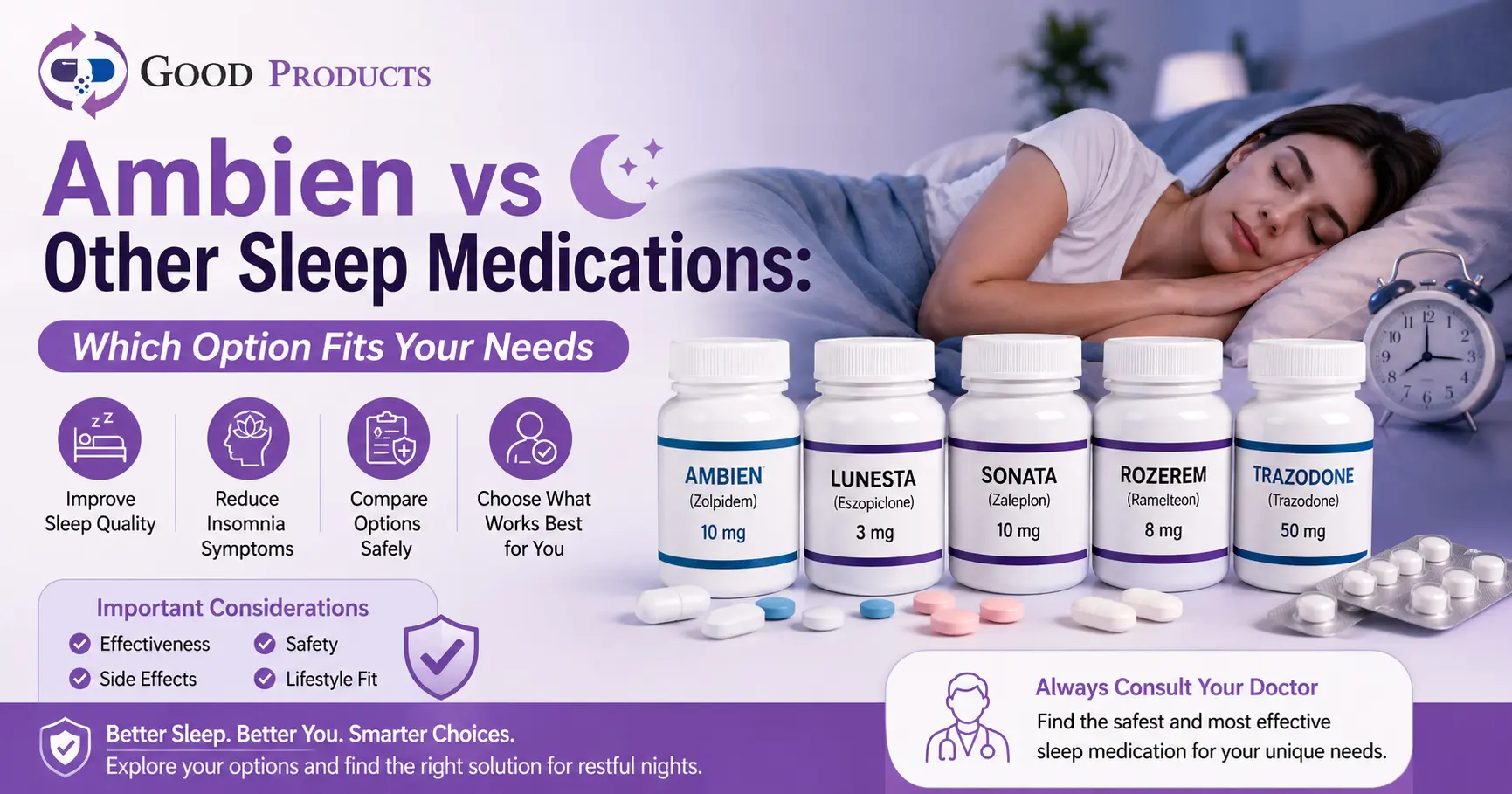
Ambien Compared to Other Prescription Sleep Medications
When comparing Ambien with other prescription sleep medications, several important factors should be considered.
Factors to Compare
- Speed of action
- Duration of effects
- Risk of dependency
- Side effects
- Sleep maintenance ability
How Ambien Stands Out
Ambien is widely known for:
- Rapid sleep onset
- Short-term effectiveness
- Helping users fall asleep quickly
This makes it especially useful for individuals who struggle mainly with falling asleep.
Other Prescription Sleep Medications
Some medications, such as benzodiazepines, may:
- Last longer throughout the night
- Help reduce nighttime awakenings
- Provide stronger sedative effects
Newer medications may work differently by regulating the body’s natural sleep-wake cycle rather than heavily sedating the brain.
The comparison shows that no single medication is universally better. The best option depends on the individual’s symptoms and sleep needs.
Finding the Best Sleep Aid for Your Needs
The ideal sleep aid varies from person to person. Factors such as sleep habits, stress levels, medical conditions, and the underlying cause of insomnia all influence which treatment works best.
Choosing the Right Sleep Medication
Some people benefit from:
- Short-term medications like Ambien
- Long-term treatment plans
- Combination therapies
- Lifestyle-based sleep improvements
Important Factors to Consider
Before choosing a sleep medication, consider:
- Possible side effects
- Medical history
- Lifestyle compatibility
- Existing health conditions
- Risk of dependency
Since every person responds differently, individualized treatment plans often produce the best results.
Alternatives to Ambien
Many people look for alternatives to Ambien because of concerns about dependency or unwanted side effects.
Common Prescription Alternatives
Some widely used alternatives include:
- Trazodone
- Eszopiclone
- Ramelteon
These medications work differently and may offer benefits depending on the type of insomnia being treated.
Natural Alternatives
Natural remedies may include:
- Melatonin supplements
- Herbal teas
- Relaxation techniques
- Magnesium supplements
Although these options are usually milder than prescription medications, they may still help people experiencing occasional or mild insomnia.
Sleep Medications: Benefits and Drawbacks
A detailed comparison of sleep medications helps individuals understand both the advantages and limitations of available treatments.
Benefits of Prescription Sleep Medications
- Fast relief from insomnia
- Improved sleep quality
- Better sleep duration
- Reduced nighttime awakenings
Possible Drawbacks
Some common concerns include:
- Sleepiness during the day
- Dependence risk
- Tolerance development
- Dizziness Confusion
- Next day tiredness
Non-Prescription Options
Over-the-counter sleep aids and natural remedies often:
- Reduced side effects
- Work more slowly
- Provide a gentler sleep aid
Balancing effectiveness with safety is an important part of choosing the right sleep medication.
Safety Considerations for Prescription Sleep Medications
Prescription sleep medications are to be taken under the supervision of a doctor.
Safe Usage Guidelines
- Use the lowest effective dose
- Avoid long-term unsupervised use
- Follow doctor recommendations carefully
- Monitor side effects regularly
Risks of Improper Use
Misusing sleep medications may lead to:
- Reliance
- Reduced effect over time
- Poor coordination
- Increased sleepiness
Important Warning
Combining sleep medications with:
- Alcohol
- Sedatives
- Certain pain medications
can increase the risk of serious side effects and complications.
Regular communication with healthcare professionals helps ensure safe and effective treatment.
Non-Medication Approaches for Insomnia
Medications are not the only solution for insomnia. Non-drug therapies can also play a major role in improving sleep quality.
Effective Non-Medication Treatments
- Cognitive Behavioral Therapy for Insomnia (CBT-I)
- Sleep hygiene improvements
- Stress management
- Relaxation techniques
Lifestyle Changes That Improve Sleep
Healthy habits may include:
- Reducing screen time before bed
- Exercising regularly
- Maintaining a consistent sleep schedule
- Avoiding caffeine late in the day
Combining lifestyle improvements with sleep medications often leads to better long-term sleep results.
Real-World Comparisons of Sleep Pills
A practical comparison of sleep pills shows how different medications work for different individuals.
Examples of Sleep Medication Use
- Ambien can help those who need to fall asleep quickly
- People waking up a lot in the night may be better served by longer-acting medicines
- Natural sleep aids may help with mild sleep problems
Personalized Treatment Matters
Doctors often adjust prescriptions based on:
- Patients’ response to treatment
- Medical History
- How bad the insomnia is
- Daily routine and lifestyle needs
This personalized approach helps maximize the effectiveness of sleep medication options while reducing risks.
Conclusion
Sleep medications continue to play an important role in managing insomnia and other sleep-related disorders. From fast-acting medications like Ambien to natural remedies and behavioral therapies, there are many treatment paths available today.
Knowing the differences between the various sleep medications can help people make better and safer choices about their sleep health. But there’s no one-size-fits-all answer and personalized treatment and doctor’s advice are still the key to healthy and long-term better sleep.
Frequently Asked Questions (FAQs)
1. What are the most commonly used Sleep Medications for insomnia?
The most commonly used Sleep Medications include Ambien, eszopiclone, trazodone, and certain benzodiazepines. Each works differently depending on sleep issues and medical conditions.
2. How does Ambien compare with other Sleep medication options?
In an Ambien comparison, it is faster-acting but typically used short-term. Other medications may offer longer-lasting effects or fewer dependency risks depending on the patient.
3. What is considered the Best sleep aid for long-term use?
The Best sleep aid for long-term use often includes behavioral therapies like CBT-I combined with safer medication alternatives such as melatonin-based treatments.
4. Are Ambien alternatives as effective as Ambien?
Ambien alternatives can be effective depending on the severity of insomnia. While they may work more gradually, they often carry fewer risks of dependency.
5. What should I consider before choosing Prescription sleep medications?
Before choosing Prescription sleep medications, consider safety, side effects, duration of use, and underlying health conditions. Always consult a healthcare professional.